

-
The food processing industry is one of the most energy-intensive sectors, consuming vast amounts of electricity and fuel to transform raw ingredients into the products we consume daily. This high energy usage not only contributes to significant operational costs but also results in substantial greenhouse gas (GHG) emissions. Implementing energy-efficient practices is crucial for reducing both costs and environmental impact. This article explores various strategies to enhance energy efficiency in food processing, ultimately leading to a more sustainable and profitable industry.
-
The energy crisis has affected businesses in all sectors, but perhaps none harder than those in manufacturing. Glass, ceramic and paper manufacturers warned that rising prices may mean they have to charge customers more. Manufacturers in energy-intensive industries such as steel and chemical also warned that the price of goods would increase for consumers because of the high and rising energy costs.
-
The Australian summer is as good a time as any to make sure your fridge and freezer are in peak condition – and to buy your own thermometer
-
As the world shifts towards sustainable energy solutions, researchers are exploring innovative technologies that can efficiently convert heat into electricity.
-
The device uses special materials that change temperature when stretched or compressed, allowing it to cool the air and condense water vapor with minimal energy use.
-
The U.S. Department of Energy found increasing levels of savings under a high-renewables grid across three transmission frameworks: first, accelerated transmission expansion, then point-to-point high-voltage direct current (HVDC) transmission, then HVDC using more flexibly sized multiterminal converters.
-
Schneider Electric highlights the critical need for sustainable data center design to reduce carbon emissions and enhance resilience. Through advanced digital solutions, Schneider aims to optimize energy use and drive sustainability in the data center industry.
-
In Iran, the energy sector is the largest contributor to carbon emissions.These sectors exert significant pressure on energy resources and contribute substantially to carbon emissions. Recognizing these challenges, UNDP Iran has spearheaded transformative initiatives in sustainable energy and operational efficiency at UN facilities.
-
The cutting-edge, state-backed project at 345 Hudson could be a model for other big buildings sprinting to comply with the city’s building decarbonization law.
-
The energy price cap, or the amount suppliers are allowed to charge for each unit of gas and electricity, will increase by around 5% from January 2024, the regulator Ofgem has said.
-
Feeling anxious every time you receive your utilities bill? It may be time to reassess your electricity usage. Here are some energy-saving tips to help you maximise your electricity savings.
-
Energy efficiency has been recognised as a key piece of the net-zero puzzle but faster uptake of existing technologies is needed.
-
No effect of LEED certification on average energy consumption in federal buildings.
-
Thermoelectric generators that can convert waste heat to clean energy could soon be as efficient as other renewable energy sources, like solar, according to a team led by Penn State scientists.
-
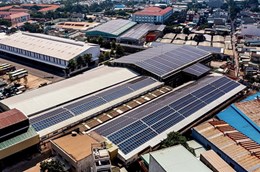
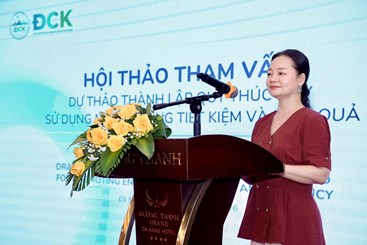
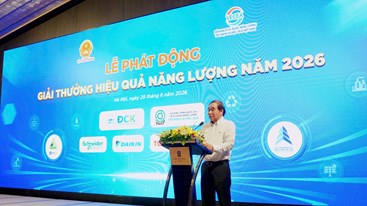
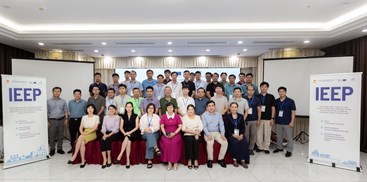
In 2023, four enterprises in the steel production, building materials, and wood processing sectors participated in the Voluntary Agreement Scheme on Energy Efficiency in Energy-Intensive Industries (VAS Program), within the framework of the Energy Partnership Program between Vietnam and Denmark 2020-2025 (DEPP3 Program), implemented by the Ministry of Industry and Trade in collaboration with the Embassy of Denmark and the Danish Energy Agency.
-
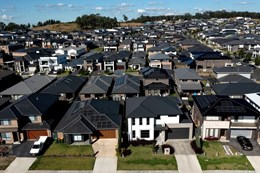
Canada's buildings sector is the third-largest contributor to greenhouse gas emissions across the country. We must increase the scale and pace of retrofitting buildings across the country to make them more energy-efficient, increasing savings and reducing emissions.
-
Vietnam's Deputy Prime Minister and Minister of Foreign Affairs Bui Thanh Son expressed hopes of learning from European nations about carbon markets, international integration, and green hydrogen development. He emphasized the need for continued support in funding, technology, and training.
-
A groundbreaking development in massless energy storage has been achieved by a research group at Chalmers University of Technology in Sweden. Their innovative structural battery has the potential to reduce the weight of laptops by half, make mobile phones as thin as credit cards, and boost the driving range of electric cars by up to 70% on a single charge.
-
Annual savings of $20 billion are possible across six Southeastern states by reaching 45% solar generation by 2035, according to a national laboratory study.
-
Industry is the second largest source of CO2 emissions, with heavy industries like chemicals, steel, and cement responsible for nearly 60% of energy consumption. Energy efficiency is crucial for meeting climate targets in the EU, but can it alone decarbonize these sectors? This paper examines the role of energy-efficient technologies and necessary policy recommendations.