

-
ASEAN’s thriving industry sector faces a dual challenge of rapid growth and environmental responsibility. Learn how the synergy of energy efficiency and renewable energy can lead to sustainable industrial practices and a greener future for the region.
-
A new report by Apparel Impact Institute and Development Finance International Inc. says India needs $6.5 billion in financing to reduce its textile and apparel industry’s emissions by 45% by 2030 through renewable energy and energy efficiency interventions. While around $2.5 billion is available, there is still a $4 billion financing gap in India.
-
The paper-based wearable device could offer ongoing, high-efficiency power generation for applications such as sensors, drug delivery, or electrical stimulation.
-
The World Bank announced the launch of an ambitious new regional initiative aimed at significantly accelerating energy efficiency to ensure secure, affordable, and clean energy supply across Europe and Central Asia.
-
RMIT University has unveiled an invention that uses waste polystyrene to generate static electricity from motion and wind to recycle waste energy in air conditioners and other applications, potentially lowering power usage.
-
Rice University researchers have made a groundbreaking advance with their electrochemical reactor, poised to significantly reduce energy consumption in direct air capture—the critical process of extracting carbon dioxide from our atmosphere.
-
Current energy consumption trends in commercial buildings highlight the urgent need for improved energy efficiency. Inefficient HVAC systems not only drive up operational costs but also contribute significantly to environmental degradation through higher CO2 emissions. Through developing a service and maintenance strategy, using digital insights to review the existing equipment and systems, giving a baseline on the energy consumption and what system improvements could be made, businesses and building owners can expect to see improvements in energy efficiency, enhance indoor air quality, and reduce both costs and carbon footprints.
-
ABB has opened a new €20 million injection molding manufacturing site at Evergem, near Ghent in Belgium, to meet the growing demand for safe, smart and sustainable electrification solutions in Europe.
-
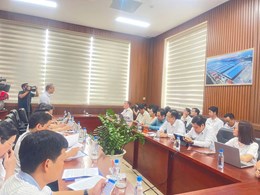
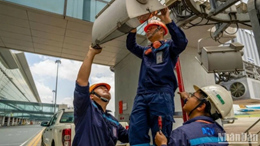
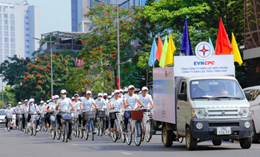
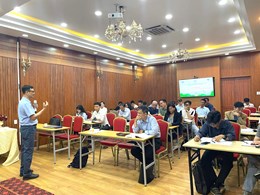
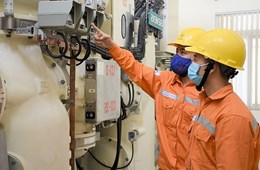
Ngoài đẩy mạnh công tác truyền thông, khuyến khích khách hàng cài đặt và sử dụng hệ sinh thái chăm sóc khách hàng, EVNHANOI đã và đang tích cực triển khai đa dạng các giải pháp tiết kiệm điện theo từng nhóm khách hàng.
-
Tiết kiệm điện nói chung và tiết kiệm điện trong các cơ quan, công sở nói riêng phải thực hiện lâu dài trong suốt quá trình tiêu thụ điện chứ không phải chỉ thực hiện vào thời gian cao điểm hè. Lượng điện năng tiêu thụ tại cơ quan công sở chiếm tỷ lệ khá lớn trong tiêu dùng điện. Vì vậy việc sử dụng điện tiết kiệm ngày càng trở nên cần thiết và nên được các cơ quan công sở triển khai mạnh mẽ hơn.
-
The paper industry has become a part of the modern economies as it supplies everything from office supplies to packaging materials. And also, this industry is one of the most energy-consuming industries globally.
-
Saving energy directly increases profitability. However, it is sometimes overlooked in cost control. By benchmarking yourself, you can find your energy saving potential, which could add up to 30% of your total energy consumption in the plastics industry. A more detailed view at the machine-level of energy use could unlock a whole array of benefits.
-
The Vietnamese government’s new decree, announced at the end of October, encourages the development of self-consumption rooftop solar power systems. However, many investors feel that the regulatory details are unclear, making the application process much more difficult.
-
Energy conservation has become a trending topic all around the world, and Singapore’s industrial sector cannot stay away from this so easily as this nation puts so much weight on sustainability. What has Singapore done to conserve energy? From using less carbon-intensive fuels to reduce greenhouse gas emissions to switching to natural gas to generate electricity, their commitment is quite impressive! However, there are many other initiatives they can easily implement technologically if they want to make it a smart manufacturing grid. What is the energy strategy of Singapore?
-
Making motors more efficient is a more immediate solution that reduces energy consumption and cuts costs at the same time. The IEA has said that energy efficiency would provide a third of all emissions reductions in their Net Zero Emissions by 2050 scenario.
-
In the plastics industry, the dual goals of economic efficiency and energy conservation are critical for achieving a sustainable and cost-effective future. As the demand for streamlined and environmentally friendly production increases, plastics manufacturers are challenged to innovate while maintaining responsible production practices.
-
CloudN thông báo kết quả áp dụng nền tảng quản lý năng lượng tòa nhà PorestN đã giúp siêu thị LOTTE Mart Nam Sài Gòn tiết kiệm được tới 24% lượng điện tiêu thụ.
-
Investments in energy-saving programs are essential to help industries and workers build a more prosperous and sustainable future. The Government of Canada is committed to innovative energy management solutions for industry partners across the country.
-
Report concludes using reverse-cycle air conditioning instead of gas ducted heating could save households between $999 to $2,215 a year.
-
The textile and garment industry uses a massive amount of energy in the production and manufacturing processes. And, due to geopolitical events, such as COVID-19 or the Russian-Ukraine war, energy costs have been rising which has also had a big impact on manufacturing companies , including the garment sector. Combined with the global increased pressure to adopt sustainable practices, garment manufacturers are prompted to seek innovative ways to reduce their energy consumption and enhance efficiency.